Loading...
Serving Palm Desert, CA and surrounding areas. (442) 334-1707
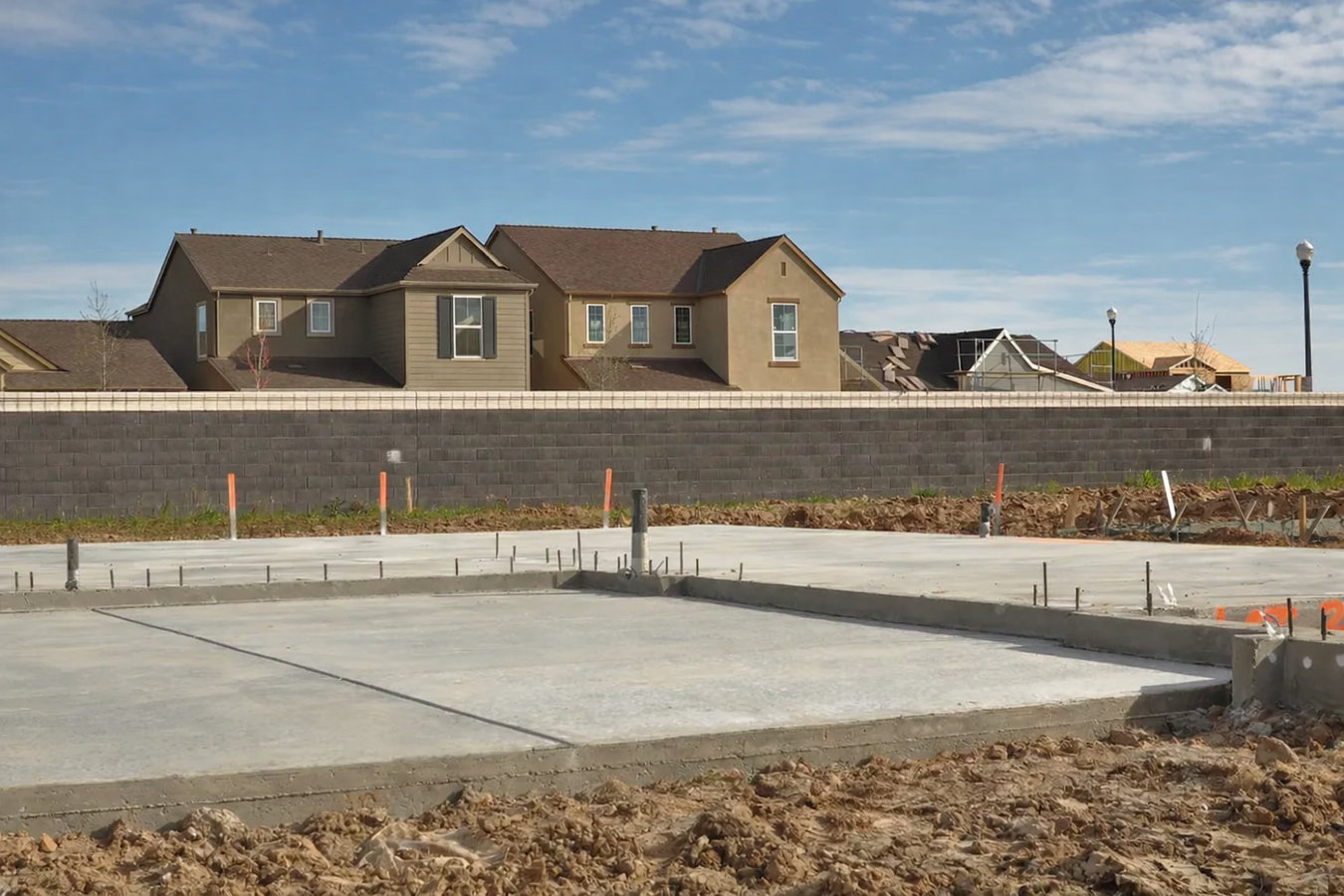
Sandy soil, extreme heat, and seismic requirements demand a contractor who knows Palm Desert conditions. We handle permits, soil prep, and proper curing so your foundation holds up for decades.
Slab foundation building in Palm Desert means pouring a thick, reinforced concrete pad directly on prepared desert soil that becomes both the floor and structural base of your home - most residential projects take three to seven days from excavation to the finished pour, plus one to three weeks for permits.
Most homes in the Coachella Valley are built on slab foundations, and Palm Desert is no exception. Whether you are building a new home, adding a room, or putting up a detached guest house or ADU, the foundation is where every project begins. Getting it right means accounting for sandy desert soil that can shift, extreme summer heat that affects how concrete cures, and local permit requirements that have to be met before framing starts.
If your project also involves above-grade work like steps or walkways, our concrete steps construction service can be coordinated alongside your foundation pour to keep your project on a single schedule.
If you are beginning a new home, garage, room addition, or detached ADU from scratch, a slab foundation is the required starting point. In Palm Desert, where ADU construction has grown as homeowners look to add rental income or guest space, a new slab is often the first physical step of the entire project.
Hairline cracks in a concrete floor are common and usually harmless. But cracks wider than about a quarter inch, or cracks that run diagonally from door and window corners, signal the slab may be shifting. In Palm Desert, sandy soil and temperature swings between seasons can accelerate this kind of movement.
When a slab shifts, the frame of the house moves with it, and one of the first signs is doors or windows that used to operate smoothly but now stick, drag, or leave visible gaps. If this is happening in multiple locations at once, it is worth having a contractor assess the foundation.
Many Palm Desert homeowners convert covered patios, casitas, or pool houses into conditioned living space. A patio slab and a foundation slab are built differently - the foundation version is thicker, reinforced, and built to carry the weight of walls and a roof. If your project turns an outdoor structure into a room, the existing slab likely needs to be rebuilt.
We handle the full scope of slab foundation work in Palm Desert, from pulling permits and coordinating with the city inspector to grading the site, setting forms, placing steel reinforcement, and finishing the pour. Every project includes proper curing management, which matters more in the desert than in almost any other climate in California. For projects that will eventually need above-grade concrete work, we coordinate naturally with our concrete footings service, which handles the perimeter support structures that many additions and detached structures require.
If your project is more involved - an ADU that also needs a finished floor system or a converted space that will connect to an existing foundation installation - we can scope the full job and bring it all under one contract so you are not managing multiple crews or handoffs.
For homeowners building a new home or major addition from the ground up on a cleared lot.
For detached guest houses, rental units, or backyard studios that need a properly permitted and engineered base.
For properties where desert soil movement calls for cable-tensioned reinforcement that resists cracking over time.
For detached garages, hobby workshops, or storage structures that need a clean, level, load-bearing concrete floor.
Palm Desert's desert environment creates concrete challenges that most contractors in other parts of California rarely deal with. Summer temperatures regularly top 110 degrees, which pulls moisture out of fresh concrete far faster than it should cure. The Coachella Valley also sits on sandy alluvial soils that can shift when they get wet during monsoon season, and the region lies near active fault lines that require specific seismic reinforcement standards. A contractor who primarily works on the coast or in the Central Valley will not automatically know how to handle those conditions - and the consequences show up as cracks within the first year.
We work throughout Palm Desert and its surrounding communities. If you are in Rancho Mirage or La Quinta, we understand that local soil conditions, HOA requirements, and permit timelines can all vary from one community to the next. We factor those specifics into every project quote so nothing comes as a surprise.
We schedule a site visit - usually within one business day of your call - to look at the ground conditions and take measurements. You get a written estimate that separates labor, materials, permits, and any soil prep costs.
We pull the building permit from the City of Palm Desert's Building and Safety Department on your behalf. If your home is in a gated or HOA community, we help you prepare the documents your association needs before the city permit can be issued.
The crew excavates, grades, and compacts the ground, then sets forms and installs the steel reinforcement inside them. Any plumbing or conduit that needs to run under the slab is installed at this stage. A city inspector visits before the pour to confirm everything is in order.
Pours in Palm Desert are scheduled for early morning to work in cooler conditions. After finishing, we apply curing protection to manage moisture loss in the desert heat. A final city inspection closes the permit, and you receive all paperwork from the project.
We reply within one business day and provide free on-site estimates with no obligation.
(442) 334-1707Pouring concrete when it is 105 degrees outside requires different timing, additives, and curing methods than a standard pour in a cooler climate. We schedule every slab pour for early morning and apply curing protection immediately after finishing - practices that prevent the surface cracking that is common on slabs poured by crews without desert experience.
Every slab we pour goes through the City of Palm Desert's permit and inspection process. That city inspection record protects you at resale and confirms the work was verified by someone other than the contractor who built it. We handle the permit application, inspection scheduling, and final closeout paperwork so you do not have to.
We serve Palm Desert and 11 surrounding communities, which means we are familiar with the soil conditions, HOA approval requirements, and permit timelines that vary across the valley. That local knowledge keeps projects moving without the delays that catch out-of-area contractors off guard. You can verify contractor licenses through the California Contractors State License Board.
Post-tensioned slabs are common in the Coachella Valley because they handle desert soil movement better than standard slabs. We build them with proper cable documentation so you always know where the tensioning elements are - information that becomes critical if future work involves cutting into or drilling through the floor.
Every slab foundation project we take on in Palm Desert is handled by a crew that works in this desert environment every week - not crews brought in from outside the valley when a job comes up. That consistency shows in the finished product and in the permit records that follow your home for as long as you own it.
Still have questions about slab foundation building in Palm Desert? The City of Palm Desert Building and Safety Department publishes permit requirements online, and the American Concrete Institute is a useful resource on concrete standards and best practices.
Full foundation installation for new construction projects, including excavation, steel placement, and city-permitted pours.
Learn moreConcrete footings for additions, walls, and detached structures that need a code-compliant perimeter support system.
Learn moreContractor schedules fill up fast in fall and spring - contact us now to lock in your start date before the season gets away from you.