Loading...
Serving Palm Desert, CA and surrounding areas. (442) 334-1707
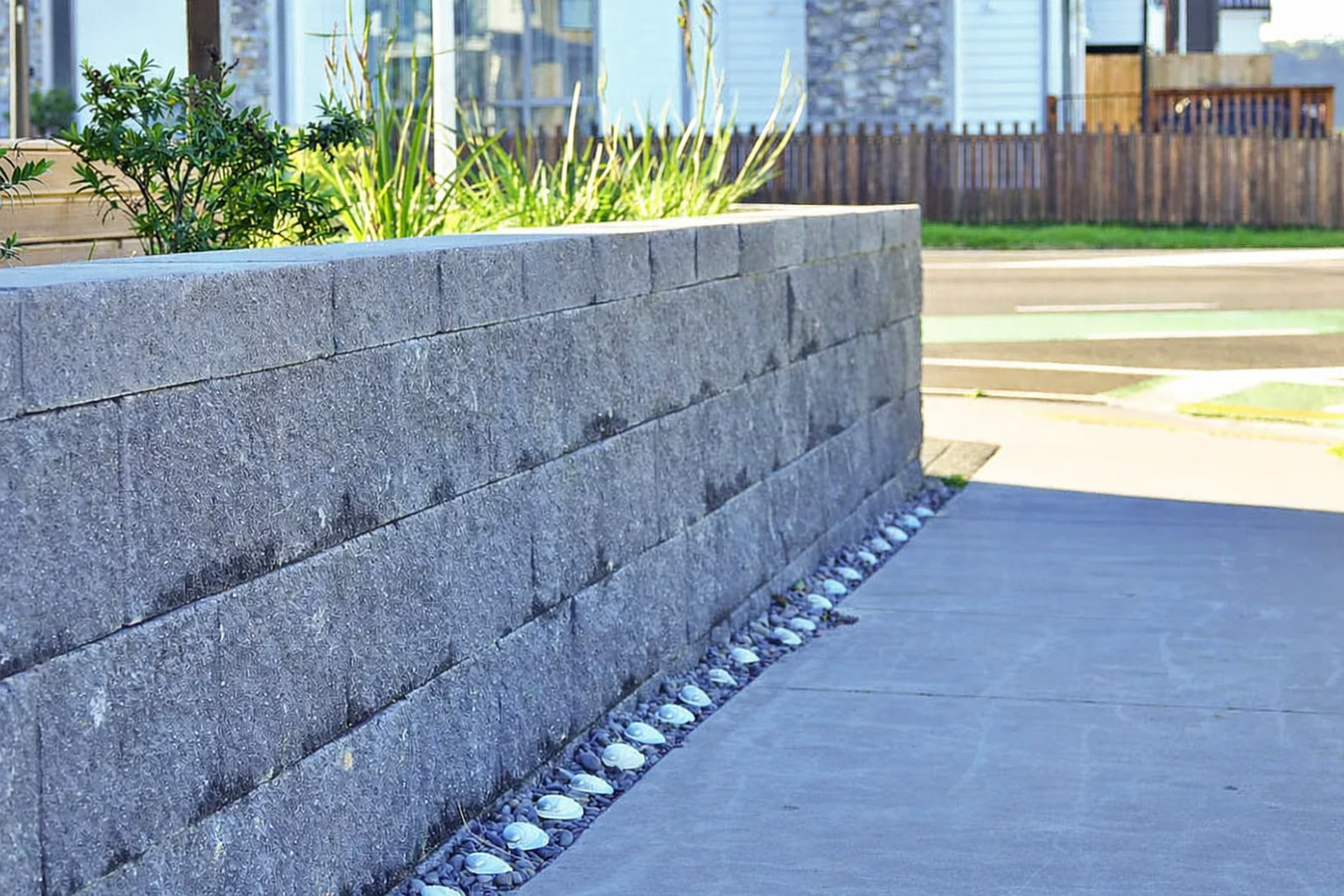
Desert storms move soil fast. We build concrete retaining walls that hold slopes in place, drain properly, and pass Palm Desert city inspections.
Desert storms move soil fast. We build concrete retaining walls that hold slopes in place, drain properly, and pass Palm Desert city inspections.
Concrete retaining walls in Palm Desert hold back soil on slopes using poured concrete or concrete block - most residential walls under 4 feet tall take one to three days of active work, though the full timeline including permits and HOA approval often runs two to four weeks.
If you have a slope in your yard, a hillside planter, or a grade change near your driveway or foundation, a retaining wall is what prevents that soil from moving - especially when the Coachella Valley gets one of its rare but intense rainstorms. Sandy desert soils do not hold themselves in place the way denser soils in wetter climates do. Our concrete floor installation service can handle any slab work on the leveled area once the wall is in place.
Palm Desert homeowners face a specific set of challenges here: city permit requirements, HOA design review, summer heat that demands careful concrete timing, and expansive sandy soils that move when moisture hits them. We work in this valley every week and understand what a retaining wall built for this environment actually requires.
If you notice soil creeping down a slope in your yard after one of the Coachella Valley's heavy rain events, the ground is not stable enough to hold itself in place. Left alone, that movement gets worse over time and can reach your home foundation, a patio slab, or a neighboring property. A retaining wall stops it before the damage adds up.
A retaining wall that is starting to lean away from the slope it holds back is under more pressure than it was designed to handle. In Palm Desert, temperature swings between hot days and cooler desert nights accelerate this process. A wall that looks slightly off today can become a real safety problem within a season or two - do not wait on it.
When a slope directs water toward your home instead of away from it, you may notice pooling near your foundation or garage floor after it rains. A retaining wall combined with proper grading can redirect that water flow and protect your home from moisture damage that builds up quietly over time - often without obvious signs until something fails.
Any time you are changing the grade of your yard - digging for a pool, widening a driveway, or adding a room - you may expose a cut slope that needs to be held back. A retaining wall is often a required part of those projects, and planning for it early avoids surprises mid-construction when budgets and timelines are already stretched.
We build both poured concrete walls and concrete masonry unit (CMU block) walls for Palm Desert residential and commercial properties. Poured walls go up as a single solid form, which works well for taller applications and sites where water pressure behind the wall is a bigger concern. Block walls are built course by course and give you more flexibility in finish appearance - they are a popular choice in HOA communities where the wall face will be visible from the street or a neighbor's yard. If the project will also require new concrete footings for an adjacent structure, we handle that work in the same scope.
Every retaining wall job we do includes drainage behind the wall - gravel backfill and a perforated pipe that moves water away from the structure so pressure does not build up. Skipping drainage is the single most common reason walls fail within a few years, and it is the item most likely to be quietly left out of a low-ball quote. We also handle the City of Palm Desert permit application and coordinate with your HOA if approval is required before work begins.
Best suited to taller walls and sites with significant soil pressure - formed and poured as a single solid unit for maximum structural strength.
Built course by course for flexible sizing and finish options - a common choice in Palm Desert HOA communities where the wall face appearance matters.
When a single tall wall is not the right approach, stepped terraces create usable flat areas on a slope - suited to desert landscaping and backyard redesigns.
Every wall we build includes gravel backfill and a drainage pipe - the part most contractors quietly skip and the reason most walls fail before they should.
Most of the Coachella Valley sits on sandy alluvial soils that shift when they get wet - even in a climate that rarely sees rain. When a desert storm drops a lot of water quickly onto dry, compacted ground, that soil can move fast. Palm Desert also sits near active fault systems, and retaining walls above a certain height in this region are designed to handle some ground movement, not just soil pressure. A contractor working here should understand those local requirements before they set the first form. We also work regularly with the design review boards in Palm Desert communities like Rancho Mirage and La Quinta where HOA standards are strict about what exterior structures look like.
Summer heat is the other major factor. Palm Desert regularly sees temperatures above 110 degrees from June through September, and fresh concrete placed in that kind of heat can dry too quickly on the surface before it has fully hardened underneath - leading to cracking before the wall ever has a chance to do its job. We schedule concrete pours for early morning during hot months and take extra steps to protect the concrete while it cures. The Portland Cement Association guidelines for hot-weather concreting are not optional suggestions here - they are what separates a wall that lasts decades from one that cracks in the first summer.
We respond within one business day. A retaining wall quote based on a phone description alone is rarely accurate, so we schedule a free on-site visit to look at the slope, the soil, and what is above and below the wall.
After the site visit, you receive a written estimate that spells out excavation, the wall itself, drainage, backfill, permit fees, and cleanup - so the number you agree to is the number you pay. If a permit is required, we handle the application and any required engineering drawings.
Once permits and approvals are in hand, the crew excavates the base, compacts the ground, and builds the wall. Most residential walls go up in one to two days. Summer pours start early - often before 7 a.m. - to avoid the worst of the heat.
After the wall structure is up, we install drainage material behind it and backfill before the site is cleaned up. If a permit was pulled, we coordinate the city inspection - you do not need to manage that process.
Free on-site visit. Written estimate. No pressure. We handle permits and HOA approvals so you do not have to.
(442) 334-1707We include gravel backfill and a drainage pipe in every retaining wall estimate - it is not an add-on or a surprise line item. Poor drainage is the leading cause of retaining wall failure in the Coachella Valley, and leaving it out to win a bid is not something we do.
We file the permit application with the City of Palm Desert and coordinate with your HOA if design review is required. You do not navigate city offices or write HOA letters - we do that. A permitted, approved wall protects your investment and your home resale value.
We have poured concrete in Palm Desert summers and know what it takes to protect a fresh pour from 110-degree heat. Scheduling, additives, and curing protection are not afterthoughts here - they are standard practice. The California Contractors State License Board requires all legitimate concrete contractors in the state to hold an active C-8 license - ours is current and verifiable.
We work across 12 communities in the Coachella Valley region, from Palm Desert and Rancho Mirage to La Quinta and Indio. That means we know the local permit offices, the soil conditions by area, and the HOA communities by name - not just by ZIP code.
Every retaining wall project we complete is built to hold up through desert storms, temperature swings, and the long term - not just to look finished on day one. If you are researching options, concrete retaining walls follow the same core structural principles regardless of climate. Call us or request a free estimate online and we will come see your site.
New concrete floors for garages, patios, and interior spaces - properly prepped, permitted, and sealed for the desert climate.
Learn morePoured concrete footings for structures, walls, and additions - the below-ground work that everything above it depends on.
Learn moreSummer heat fills the schedule fast - reach out now and we will come see your site before the season gets away from you.