Loading...
Serving Palm Desert, CA and surrounding areas. (442) 334-1707
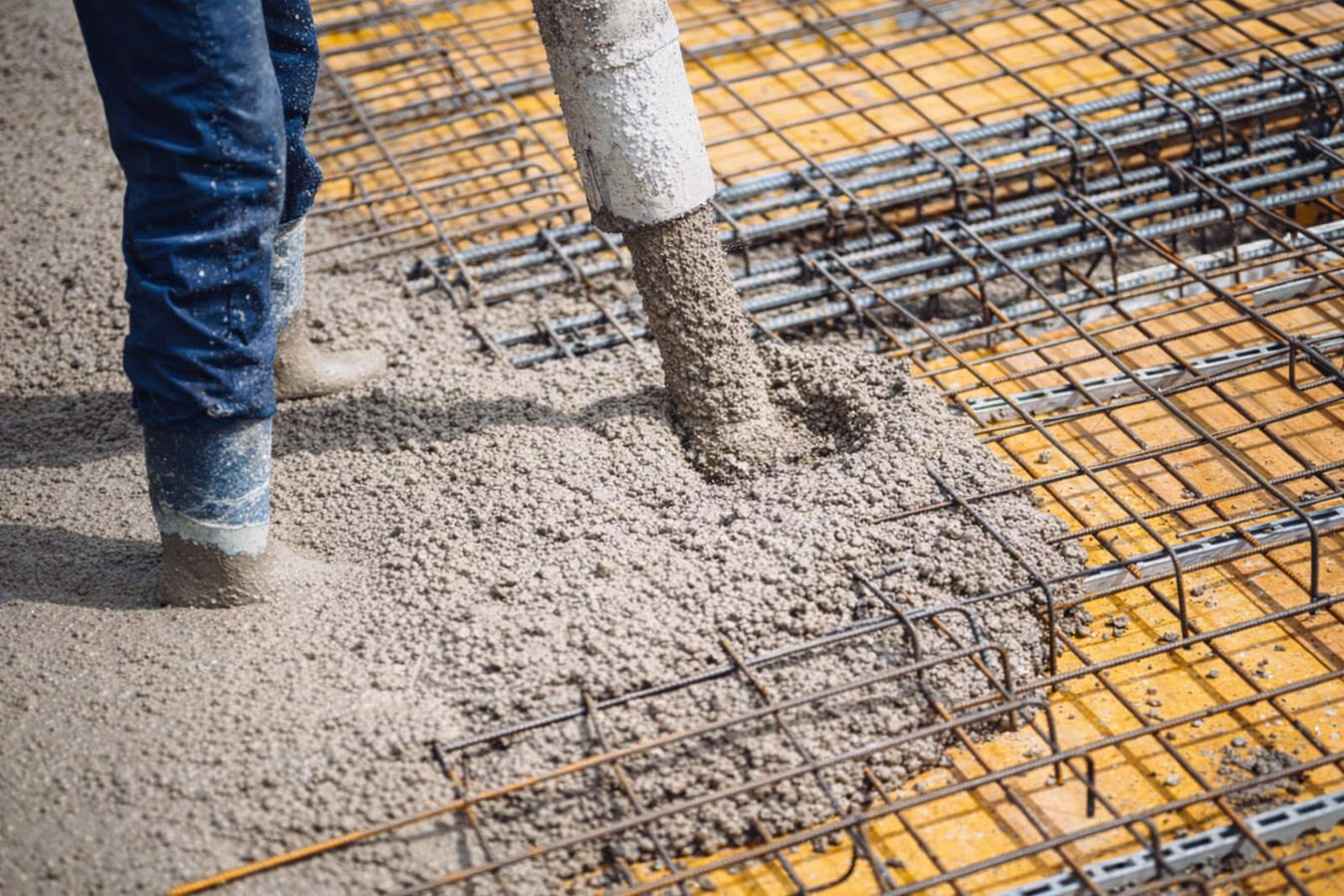
Desert soil, seismic requirements, and extreme summer heat require a foundation crew that works here every week. We handle permits, soil prep, steel reinforcement, and curing so your foundation is built to last.
Foundation installation in Palm Desert covers excavation, soil compaction, steel reinforcement, permitted pours, and desert-specific curing - most standard residential projects take three to seven days of active construction once permits are in hand, with full concrete strength reached in about 28 days.
The foundation is the part of your home you will never see once construction is complete - but it is the one part where a mistake becomes the most expensive to fix later. In Palm Desert, the desert soil conditions, seismic requirements, and extreme summer heat add real complexity to what looks like a straightforward job from the outside. Getting the prep work right before the concrete is poured is what separates a foundation that holds up for 40 years from one that starts showing cracks within five.
If your project includes a detached structure or parking surface, our concrete parking lot building service can be coordinated alongside foundation work to keep your project on one timeline with one crew.
If doors or windows that used to operate smoothly have started sticking, dragging, or leaving gaps at the corners, the frame may be shifting because the ground underneath has moved. In Palm Desert, this can happen after a wet monsoon season when desert soils absorb water and expand.
Hairline cracks in drywall are common and usually harmless. But cracks that run at a 45-degree angle from the corners of windows or door frames - especially if wider than a pencil line - often signal the foundation is moving unevenly. These cracks tend to grow slowly, so catching them early saves money.
If a ball rolls consistently toward one side of a room, or if you can feel a dip or rise underfoot, the slab beneath may have settled in one area. In the Coachella Valley, sandy or silty soil can compact unevenly under the weight of the home over time, especially if irrigation or monsoon water has reached the foundation zone.
If you are adding a room, garage, ADU, or any new structure to your property, you need a properly installed foundation before anything goes up. In Palm Desert, where soil conditions vary and seismic risk is real, skipping a professionally installed foundation is a code violation that will show up in a home inspection when you eventually sell.
Our foundation installation work in Palm Desert covers the complete process from first contact to final city inspection. That includes site assessment, permit applications, excavation, grading and compaction, vapor barrier and gravel base installation, steel reinforcement placement, the pour itself, and curing management through the first critical days after the concrete goes down. We also work alongside your plumber or electrician to coordinate any underground utility runs before the forms are filled. For properties that need the surrounding hardscape addressed at the same time, we integrate naturally with our slab foundation building service so everything is scoped under one contract.
Larger commercial or mixed-use projects that need a reinforced base for a parking surface or loading area can combine foundation work with our concrete parking lot building service, keeping the entire hardscape scope with one team rather than splitting it across multiple contractors and handoffs.
For homeowners starting a new home, major addition, or ADU build on a prepared site.
For properties in high-risk seismic zones requiring specific steel detailing to meet California Building Code standards.
For homes in gated or master-planned communities that require association approval before city permits can be issued.
For existing structures where the current foundation has shifted, cracked, or was never properly installed to code.
The Coachella Valley sits on a mix of sandy alluvial soils and clay-bearing soils that behave differently than ground in coastal or Central Valley cities. These soils can shift when they absorb water during monsoon events, and they require careful compaction and grading before any concrete goes down. On top of that, Palm Desert lies near active fault systems - including the San Andreas Fault - which means California's building code requires specific seismic reinforcement in foundation work here. Summer heat above 110 degrees adds another layer of complexity: fresh concrete loses moisture too quickly in those conditions without active management, and a pour handled carelessly in July can crack within months.
We work regularly across Palm Desert and throughout the surrounding valley. Homeowners in Desert Hot Springs and Coachella face similar soil and climate conditions, and our experience across those communities means we come into every project with an accurate picture of what the ground is likely to present - before the first shovel goes in.
We schedule a visit to your property - usually within one business day - to assess the site and take measurements. You receive a written estimate that separates every cost category: labor, materials, soil prep, permits, and debris removal, so you can compare bids accurately.
We apply for the building permit through the City of Palm Desert's Building and Safety Division on your behalf. If your home is in a gated or HOA community, we help prepare the documents needed for association approval first - a step that can add two to six weeks and is often the biggest source of unexpected timeline delays.
The crew excavates, grades, and compacts the ground, then lays the gravel base, moisture barrier, and steel reinforcement. Any underground plumbing or conduit that needs to run under the slab is installed at this stage. A city inspector visits to verify everything is in order before the pour can proceed.
In Palm Desert, pours are always scheduled for early morning. After finishing, we apply curing protection to slow moisture loss in the desert heat - the most critical step many contractors rush or skip. A final city inspection closes the permit, and you receive all project documentation.
We reply within one business day and provide free on-site estimates with no obligation.
(442) 334-1707Most of the year in Palm Desert, the weather works against fresh concrete. We schedule every pour for early morning, use cooler mix water, and apply curing compounds immediately after finishing - practices that are standard for experienced desert crews but often overlooked by contractors who primarily work in other regions. The result is a foundation that cures properly rather than surface-cracking in the first summer.
The Coachella Valley is one of the most seismically active regions in California, and the state's building code requires specific steel reinforcement in foundations here. We build to those standards on every project - not because an inspector is watching, but because that is what actually holds up when the ground moves. The California Seismic Safety Commission publishes guidance on what residential foundations in this region must meet.
We work in Palm Desert and 11 surrounding communities, which means we know the soil conditions, HOA approval processes, and inspection timelines that vary across the valley. That local familiarity prevents the unexpected delays and cost overruns that hit contractors who come into the area for a single project without knowing its specific requirements.
Every foundation we install goes through the full city permit and inspection process, and we give you all the paperwork at project closeout. In Palm Desert's active real estate market, a properly permitted foundation protects your home's value and prevents the costly last-minute repairs that flagged foundations trigger during sale transactions.
When you hire us for foundation installation in Palm Desert, you are working with a crew that pours concrete in this environment week in and week out - not a team that treats desert conditions as a footnote. That consistency is visible in the finished work and in the city inspection records that stay with your home for as long as you own it.
The City of Palm Desert Building and Safety Division publishes permit requirements and inspection information online. The California Contractors State License Board lets you verify any contractor's license for free before you sign anything.
Concrete parking lots and paved surfaces for commercial and residential properties, built to handle traffic loads and desert heat.
Learn moreNew slab foundations for homes, ADUs, garages, and additions - permitted, inspected, and built for desert ground conditions.
Learn moreSpring and fall booking windows fill up fast - reach out now to secure your project start date before the season books out.