Loading...
Serving Palm Desert, CA and surrounding areas. (442) 334-1707
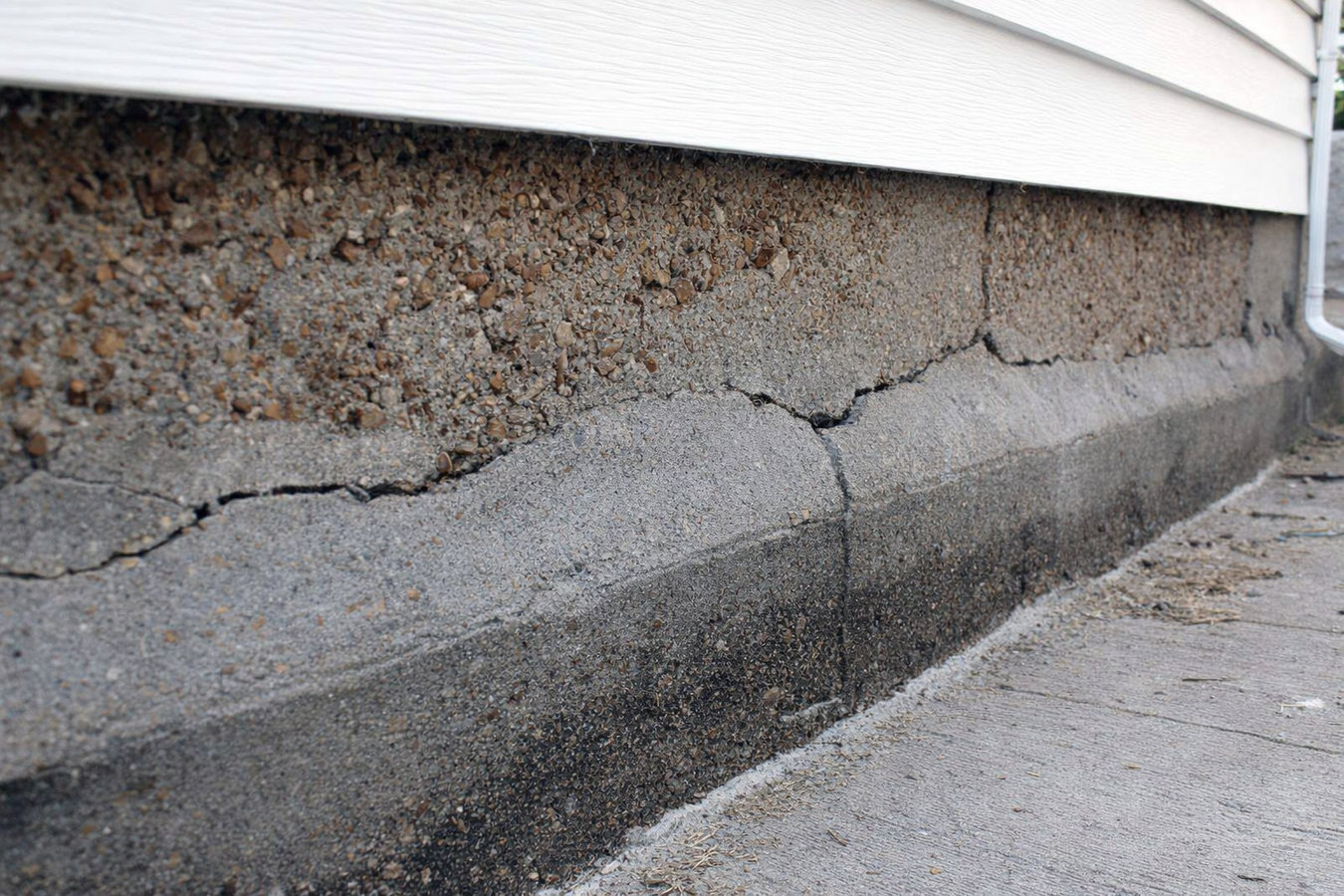
A sunken slab does not always need to be torn out. We lift settled concrete back to level, find out what caused it to sink, and give you a repair that holds.
Foundation raising in Palm Desert lifts sunken or uneven concrete slabs back to their original level without tearing them out - most residential jobs take two to eight hours of active work, with walkable results the same day when foam injection is used.
A contractor pumps material beneath the settled slab to fill the voids that formed underneath and push the concrete back up. The result is a level surface at a fraction of the cost and disruption of a full replacement. Foundation raising in Palm Desert is common after desert soil movement shifts the ground beneath patios, driveways, garage floors, and pool decks. For homeowners also dealing with new structural work, pairing a lift with slab foundation building can address the full scope in one project.
If a door that used to swing freely now drags on the floor, or a window no longer latches the way it used to, the frame around it may have shifted because the slab beneath it moved. This is one of the earliest signs that something has changed at the foundation level. In Palm Desert, this often shows up after a wet winter or after an irrigation system has been running heavily through the summer.
Walk around the base of your home and look where the concrete meets the walls, garage door frame, or exterior steps. A gap that was not there before - even a small one - means the slab has dropped away from the structure. In the Coachella Valley, sandy soil can produce this kind of gradual settling over a few seasons without any single dramatic event.
If you notice a slight slope or a low spot in your garage floor, patio, or interior slab, place a marble or a level on the surface to check. A slab that has settled even an inch or two creates a noticeable tilt. Water follows that slope, and pooling water near your foundation makes the problem worse over time.
Diagonal cracks starting at the corners of door frames or windows and running toward the ceiling or floor are a classic sign of differential settling - meaning one part of the slab has dropped more than another. These differ from normal hairline shrinkage cracks, which tend to run straight. If you see diagonal cracking in drywall or stucco, have a foundation contractor take a look before the movement gets worse.
We assess every settled slab before recommending a method - because lifting concrete over an unresolved cause just means it settles again. Our process starts with an on-site walkthrough to identify what moved and why, whether that is irrigation saturation, poor original compaction, or erosion beneath the slab. We offer both mudjacking - a cement-and-soil slurry pumped under the concrete - and polyurethane foam injection, which cures in about 15 minutes and adds almost no weight to the soil. For jobs where the slab also needs to be combined with new concrete work, we pair foundation raising with concrete cutting to remove any sections that are too damaged to lift.
We handle permit checks with the City of Palm Desert and flag any HOA requirements before scheduling work. Small injection holes are patched before the crew leaves so the surface looks close to what it did before. The timeline for most residential jobs is one day of work plus any permit or HOA lead time. Homeowners dealing with both lifting and new slab work sometimes combine this service with slab foundation building to handle both in a single coordinated scope.
Suited to homeowners with larger settled areas - driveways, garage aprons, or pool decks - where a high-volume, lower-cost lift method is the practical choice.
Suited to homeowners who need a fast cure, minimal added weight on sandy desert soil, or lifting in a tight or landscaped area with limited equipment access.
Suited to homeowners with outdoor concrete that has settled unevenly after seasons of desert soil movement, creating trip hazards or drainage problems.
Suited to homeowners with a garage floor that has dropped away from the wall or door threshold, creating a lip that catches tires or lets water and pests in.
The Coachella Valley sits on a mix of sandy alluvial soils and clay-rich pockets that react strongly to moisture. When irrigation water, a slow pool leak, or one of the area's occasional heavy rain events soaks into the ground under a slab, the soil swells. When the desert heat dries it out again, it shrinks. That repeated cycle is one of the most common reasons slabs settle in Palm Desert - and it is why a lift that does not address the water source tends to fail within a few years. Our assessments include looking for irrigation leaks, drainage problems, and signs of poor original compaction, not just mapping the settled areas. Homeowners in Rancho Mirage and throughout the valley see the same soil and heat conditions and call us with the same problems.
Summer heat in Palm Desert is also a scheduling factor. Foam injection and mudjacking both behave differently when the air temperature is above 110 degrees. We schedule lifting work in the cooler months - October through April - whenever possible, and we use early-morning starts if summer work is unavoidable. For homeowners in La Quinta and other parts of the valley where outdoor living spaces are heavily used through the mild winter, getting lifting work done in fall means the patio and pool deck are ready when you need them most.
When you call, we ask a few quick questions - where the settling is, how long it has been happening, and whether you have noticed any cracks or water issues. We reply to all inquiries within one business day and can usually schedule an on-site visit within a few days.
We walk the affected area with you, check the slab, surrounding soil, and any visible cracks or gaps, and look for the likely cause of the settling. You receive a written estimate covering labor, materials, patching, and cleanup before any work is scheduled - no surprises on the invoice.
We confirm whether a City of Palm Desert permit is required for your job. If you live in an HOA community - common in Palm Desert's gated neighborhoods - we flag what documentation your HOA may need before work can begin. This step can add a few days to a week to the timeline, but it protects you legally.
The crew drills small holes through the slab, injects material underneath to fill voids and raise the concrete, then patches the holes before leaving. Walk the area with us before we go - confirm the surface looks and feels level - and we explain the warranty and what to watch for in the coming months.
Free on-site estimate. Written quote before any work starts. We explain exactly what caused the settling and what it will take to fix it.
(442) 334-1707The Coachella Valley has soil conditions - sandy alluvial deposits, clay pockets, and moisture-driven movement - that behave differently than most of California. We account for local soil behavior in every assessment, which is why our lifts hold rather than needing to be repeated in a few years.
Lifting a slab over an active irrigation leak or ongoing drainage problem is a temporary fix. We look for the cause before any injection begins and tell you plainly what we found - so you can address it and get a repair that actually lasts rather than paying twice for the same problem.
Palm Desert has a high concentration of HOA-governed communities - including many golf course neighborhoods where exterior work requires advance approval. We flag the permit and HOA requirements for your specific job before work is scheduled, so you are not dealing with fines or rework after the fact. We work in communities across the valley including CSLB-licensed work done to code.
We serve all 12 cities in our service area - from Palm Desert and Rancho Mirage to Indio, La Quinta, and Hemet. One crew handles the lift, the patching, and the cleanup, so there is no handoff between contractors and no confusion about who is responsible for the finished result.
Our combination of desert soil expertise and transparent pricing means you know exactly what you are paying for and why - before anyone picks up a drill. We stand behind our work with a written warranty on every lift.
More detail on foundation raising processes and California requirements is available from the American Concrete Institute and the California Geological Survey.
When a section of slab is too damaged to lift, precision cutting removes it cleanly so new concrete can be poured flush with the surrounding surface.
Learn moreNew poured concrete slabs for garages, additions, and outbuildings - designed for desert soil conditions and local seismic requirements from the ground up.
Learn moreSpring is the best time for foundation work in Palm Desert - cooler temperatures mean better results, and booking now means you beat the seasonal rush before the valley heats up.